

Most homeschool history curricula teach children what happened. The classical approach goes further: it teaches them how events connect, why they matter, and how the whole story of humanity fits together. That distinction sounds subtle. In practice, it shapes everything about how a child understands the world.
History was the subject that started Veritas. After reading Dorothy Sayers' landmark essay "The Lost Tools of Learning", the founders saw something that most curriculum publishers were missing: children in the grammar stage aren't just capable of absorbing historical facts — they're uniquely wired for it. Sayers argued that young children are in a natural "poll-parrot stage," hungry for information, delighted by memorization, ready to collect and store the raw material they'll reason with for the rest of their lives. History, taught at that stage, doesn't just stick. It builds.
That insight is the foundation of everything Veritas does with history.
Start with the Story, from the Very Beginning
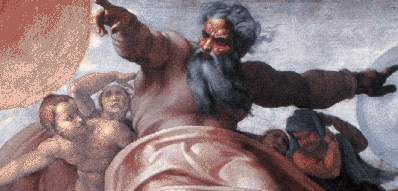
The Veritas history program begins — as all good history should — at creation. Young students need a framework before they can place events within it, so we spend the kindergarten and first-grade years laying groundwork: family histories and holidays in kindergarten to orient children to the idea of a timeline, and a simplified survey of American history in 1st grade to develop their growing sense of place and time.
By 2nd grade, students are ready for something more substantial. From 2nd through 6th grade, students work through a five-year chronological cycle, studying 32 events each year. By the time they finish 6th grade, they've built a working knowledge of 160 events spanning the whole of recorded history.
| Grade | Series |
|---|---|
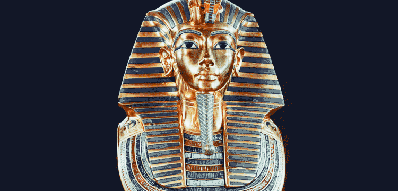
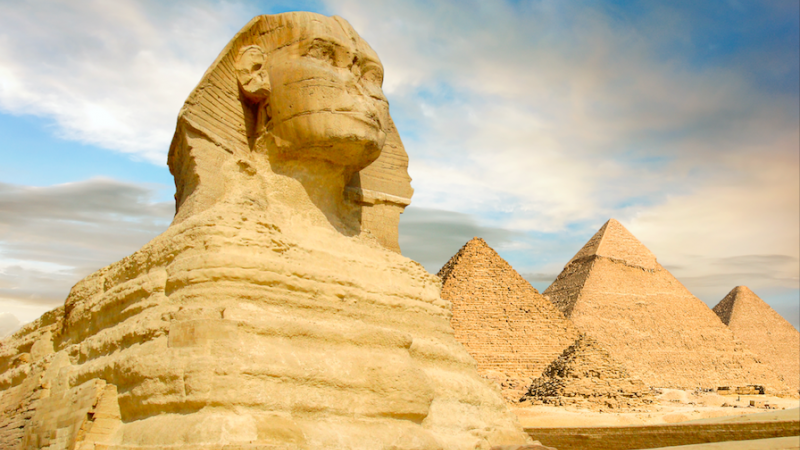
2nd | Old Testament and Ancient Egypt |
3rd | New Testament, Greece, and Rome |
4th | Middle Ages, Renaissance, and Reformation |
5th | Explorers to 1815 |
6th | 1815 to the Present |
The approach isn't just about covering ground but also building a mental scaffold that students carry with them for life. Regular review is built into the program. Students don't encounter events once and move on. They return to them, and each time the material comes back, it deepens.
Dates Are the Beginning, Not the End
Here's where a lot of history programs stop short. A student can learn that Mount Vesuvius erupted in AD 79 and buried Pompeii. But without context, they won't realize what else was happening in AD 79 — that the world Jesus had walked through, the Roman world the apostles were navigating, was the same world violently disrupted by that eruption. The date without the story is just a number.
The same goes for the World Wars. A student might learn that World War I ran from 1914 to 1918 and World War II from 1939 to 1945. Without depth, they'll miss the thread connecting them — the unresolved tensions, the technological leaps, the shifts in how wars were fought and why. One family at Veritas told us a story about visiting the Smithsonian Air and Space Museum with their 12-year-old son. He moved through the exhibits recognizing at a glance which aircraft belonged to which war, and why their designs differed. That kind of fluency doesn't come from dates. It comes from context built over years.
The Veritas history program teaches both: the date and the story around it. Students memorize events well enough to place them instantly, and learn enough about each one to understand its connections to what came before and after.
History and the Bible Belong Together
One of the convictions at the heart of the Veritas approach is that Scripture and history aren't separate subjects with occasional overlap. They're the same story told from different vantage points, and students who learn them together understand both more deeply.
The Veritas Bible curriculum is deliberately sequenced to run alongside the history program. (You can read more about how that works in The Veritas Approach to Bible.) When a student is studying Old Testament and Ancient Egypt in 2nd grade history, their Bible studies are covering Genesis through Joshua. When they reach New Testament, Greece, and Rome in 3rd grade, they're reading the Gospels and Acts. The timelines illuminate each other.
A student who knows that Joseph lived just before the Hyksos invasion of Egypt reads the story of Joseph differently. A student who understands the Roman world reads the birth of Christ differently. Integration isn't a curriculum feature. It's a way of seeing.
Flexibility for Real Homeschool Families
The program is designed with homeschool reality in mind. For families with multiple children at different grade levels, there's a strong case for teaching the same series to everyone at once — it makes field trips, art projects, and family conversation more cohesive, and younger children who start mid-cycle can simply loop back to the beginning later.
For students who are entering later and have fewer than five years before secondary school, a condensed History Transition option covers all five years' worth of material in a single year. It's a leaner experience, but it gives students the essential framework they need to step into Omnibus — the secondary program where that framework gets put to serious use.
The Payoff Comes Later
The grammar-stage history program isn't the destination. It's preparation. When students arrive at Omnibus in 7th grade, they're expected to engage primary sources, wrestle with ideas, and think historically across long stretches of time. That's a tall order for a student who has no mental map of when things happened. For a student who has spent five years building exactly that map, it becomes the kind of intellectual work they're ready and eager to do.
That's what the Veritas approach to history is really after. Not a well-prepared test taker. A student who can look at the world and see where it came from.